Land Clearing in Fauquier County: Preparing Your Property with Purpose
From overgrown acreage to a carefully planned homesite, thoughtful land clearing creates opportunities while preserving what makes your property unique.
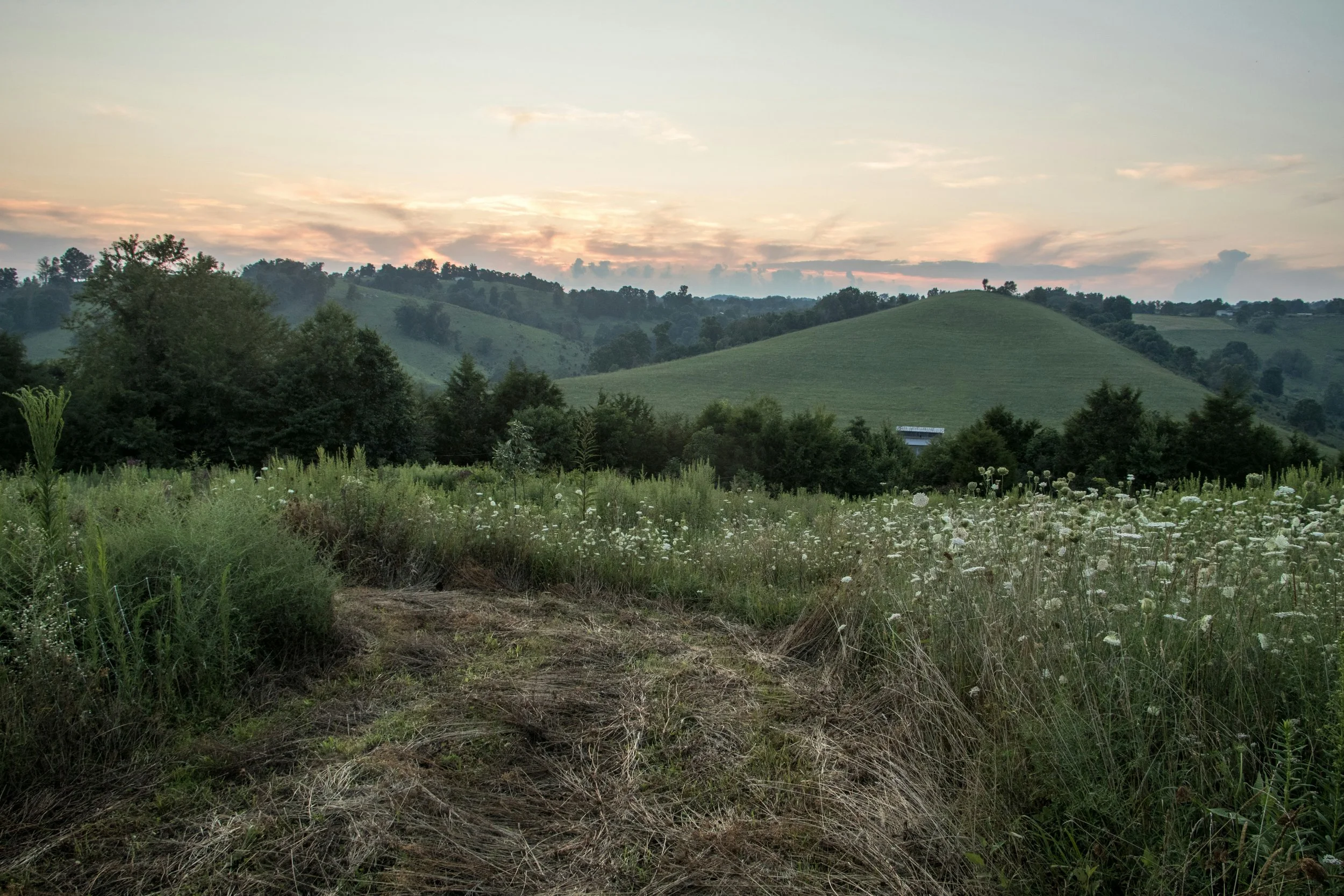
There is a moment in almost every rural property project when the possibilities begin to emerge.
An overgrown field opens up to a sweeping view. A wooded section reveals the perfect location for a future homesite. An old access path becomes the beginning of a new driveway. Space that has been inaccessible for years suddenly becomes usable again.
Land clearing can be transformative.
But the best clearing projects aren’t about removing as much vegetation as possible. They’re about understanding what the property needs, what should remain, and how today’s decisions will support the property’s future.
Whether you’re preparing acreage for a custom home, creating pasture for livestock, opening access for an equestrian facility, or beginning a larger estate improvement project, thoughtful land clearing is often the first step toward realizing what your property can become.
Start with the Property, Not the Equipment
It can be tempting to look at a wooded or overgrown area and simply see what needs to be removed.
An experienced excavation contractor sees something different.
They see terrain, drainage patterns, mature trees, access points, slopes, soil conditions, and opportunities. They consider what the land is doing naturally and how clearing one area may affect another.
Before equipment begins working, it’s worth asking some fundamental questions.
Where will the cleared area lead? How will water move afterward? Which trees are worth preserving? Where will equipment need access? Will the property eventually include a home, barn, pond, pasture, driveway, or other improvement?
The answers help determine not only what should be cleared, but how it should be cleared.
That distinction matters.
Clearing for a Future Homesite
For many rural property owners, land clearing is the first visible step toward building a home.
Creating a homesite requires more than removing trees and brush. The site must ultimately accommodate grading, drainage, construction access, utilities, and the foundation itself.
The location of the homesite can also influence the experience of the entire property.
Perhaps the best building location is one that takes advantage of a long-distance view. Perhaps it sits naturally above a lower portion of the property. Perhaps a wooded area provides privacy that the owner wants to preserve.
Thoughtful clearing allows the homesite to emerge without unnecessarily sacrificing the character of the surrounding landscape.
Once the appropriate area has been cleared, grading and site preparation can begin creating a stable foundation for the construction process.
Preserving What Makes the Land Beautiful
Good land clearing isn’t necessarily about creating the largest possible open space.
In fact, some of the most beautiful rural properties achieve their character through contrast—open fields bordered by mature woods, a driveway winding between established trees, or a homesite framed by carefully preserved vegetation.
Mature trees can provide shade, privacy, wind protection, wildlife habitat, and visual definition. Natural vegetation can also help control erosion and maintain the established character of a property.
For these reasons, deciding what not to clear can be just as important as deciding what to remove.
The objective is to create usable space while preserving the elements that give the property its identity.
Creating Pasture and Agricultural Space
Fauquier County’s rural landscape has a long agricultural tradition, and land clearing can play an important role in making acreage more productive.
Overgrown or previously unused portions of a property may offer opportunities for:
Pasture
Hay fields
Livestock areas
Agricultural access
Fencing and turnout areas
Future farm structures
But creating productive agricultural land requires more than simply opening up the ground.
Drainage, grading, soil conditions, access, and future maintenance all deserve consideration. A pasture that looks beautiful immediately after clearing still needs to function well through Virginia’s changing seasons.
Proper preparation creates a stronger foundation for whatever comes next.
Preparing Land for Equestrian Use
Virginia’s equestrian properties often require a particularly thoughtful approach to land clearing.
Barns, paddocks, riding arenas, trails, pastures, and access roads all need to work together. Equipment and trailers need reliable access, while horses require safe, functional spaces with appropriate drainage.
Clearing may be used to open pasture, create access, establish building sites, or prepare areas for future equestrian infrastructure.
The best results come from looking at the entire property rather than treating each area as a separate project.
A barn site should work with the driveway. The driveway should work with the terrain. Pastures should connect naturally to the overall property. Drainage should be considered throughout.
Good planning creates a property that functions as beautifully as it looks.
Clearing for Roads and Access
Sometimes the most valuable improvement is simply being able to reach a part of the property that was previously inaccessible.
A new driveway or access road can open up possibilities for homesites, barns, agricultural operations, recreational areas, and future development.
But creating access through rural land requires careful consideration.
The route needs to account for slope, drainage, soil stability, equipment access, and long-term maintenance. Clearing the shortest path isn’t always the best solution.
A slightly different route may provide better grades, preserve valuable trees, or reduce future drainage problems.
This is another area where experienced land evaluation can make a significant difference.
What Happens to the Material?
Land clearing produces more than an open space.
Trees, brush, stumps, and other organic material need to be handled appropriately. Depending on the project, material may be processed, relocated, chipped, hauled away, or incorporated into the overall property plan.
Stumps, in particular, can pose challenges if they aren’t addressed properly. Simply cutting vegetation at ground level doesn’t necessarily prepare the land for construction or grading.
The clearing process should be planned around what the property needs to become next.
If the area will eventually become a building pad, driveway, pasture, or landscaped space, the clearing strategy should support that next phase rather than creating additional work later.
Land Clearing and Drainage Go Hand in Hand
One of the most important considerations after clearing is what happens to water.
Vegetation and natural groundcover influence how rainwater moves across a property. When large areas are cleared, the landscape can respond differently to rainfall and runoff.
That makes drainage planning an important part of responsible land clearing.
Grading, swales, culverts, stabilization, and other drainage solutions may be appropriate depending on the property’s terrain and the intended use of the cleared area.
The goal is not simply to remove vegetation.
It’s to leave the property stable, usable, and prepared for what comes next.
The Value of Local Experience
Every piece of rural land has its own story.
Fauquier County properties can include rolling terrain, wooded acreage, open farmland, streams, steep slopes, and a wide range of soil conditions. Local knowledge helps contractors recognize how those characteristics may affect a clearing project.
Experience also brings an understanding of how one decision can influence the rest of the property.
Clearing an area changes access. Access affects grading. Grading affects drainage. Drainage affects how the land can ultimately be used.
Looking at those connections from the beginning creates a much more thoughtful result.
Clearing the Way for What’s Possible
Land clearing is sometimes described as the process of removing obstacles.
But perhaps a better way to think about it is as the process of revealing possibilities.
The right clearing project doesn’t erase the personality of a property. It creates space for that personality to evolve.
A future home has room to take shape. Pastures become accessible. A private lake becomes possible. A driveway connects the property to the road. An estate begins to take form.
And beneath all of it is the land itself—carefully considered and intentionally shaped.
At Monomoy Services, we believe that excavation and land improvement should begin with an understanding of the property. Our approach is grounded in experience, careful planning, and respect for the natural character of the land.
Because clearing land isn’t just about what you’re taking away.
It’s about creating room for what’s next.
Ready to Explore What’s Possible on Your Property?
If you’re considering land clearing in Fauquier County, whether for a homesite, farm, equestrian property, driveway, pond, or larger estate improvement, Monomoy Services can help you think through the project from the ground up.
A thoughtful conversation at the beginning can help determine what should be cleared, what should be preserved, and how the work can prepare your property for its next chapter.
Serving Fauquier County and Northern Virginia
Monomoy Services provides land clearing, excavation, grading, drainage, site preparation, driveway construction, pond development, and rural land improvement services throughout Fauquier County and surrounding communities, including Warrenton, Marshall, The Plains, Upperville, and Delaplane.