How Virginia Weather Affects Excavation and Land Improvement Projects
From summer storms and saturated soil to winter freezes, understanding the seasons can help you plan your excavation project for better results.
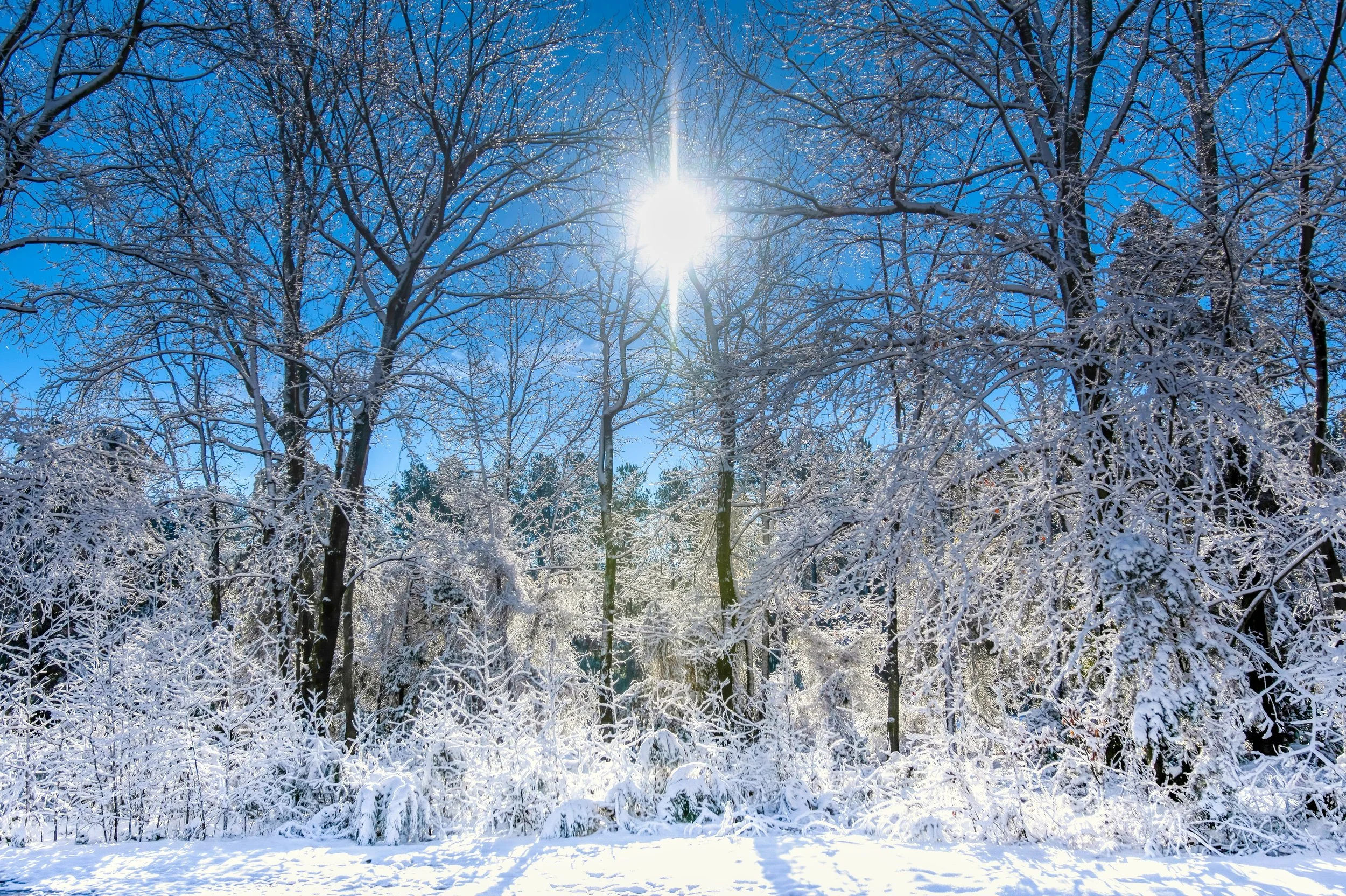
There is a rhythm to working with the land.
In Virginia, that rhythm is shaped in large part by the weather. A stretch of dry summer days can create ideal conditions for one type of excavation project, while a week of heavy rain can change the way a property needs to be approached. Fall brings its own advantages, winter introduces freezing and thawing, and spring can turn even familiar ground into something entirely different.
For property owners planning a new driveway, homesite, pond, drainage improvement, or estate project, timing matters.
That doesn't mean there is one perfect season for excavation. Rather, successful projects depend on understanding how weather affects the soil, water movement, access, and overall condition of the land—and then planning accordingly.
For rural properties in Fauquier County and throughout Northern Virginia, that knowledge can make a meaningful difference in both the process and the finished result.
The Land Changes With the Seasons
We sometimes forget that while land may appear permanent, its condition is constantly changing.
Soil responds to moisture. Clay expands and contracts. Water follows changing paths across the property. Freeze-and-thaw cycles can affect stability, while heavy rainfall can expose drainage problems that weren't apparent during dry weather.
These changes matter when heavy equipment is being used to clear, grade, excavate, or prepare a site.
An experienced excavation contractor isn't simply looking at what the property looks like on the day work begins. They're considering how the soil and terrain are likely to respond throughout the project and after the equipment is gone.
That perspective is especially important when working on larger rural properties, where a project may involve significant changes in elevation, long access roads, ponds, or expansive areas of grading.
Spring: A Season for Careful Planning
Spring is an appealing time to begin a property improvement project. The landscape comes alive, temperatures become more comfortable, and landowners are often eager to get projects underway after winter.
But spring can also bring saturated soil, muddy conditions, and unpredictable weather.
Heavy rainfall can leave rural properties soft and difficult to access. Equipment operating on overly wet ground can cause unnecessary rutting and compaction, while moving saturated soil can make grading more difficult.
For that reason, spring excavation often requires patience and careful timing.
It can be an excellent season for planning, site evaluation, and beginning certain projects, but the condition of the ground should always be considered before equipment moves in.
Sometimes waiting for a suitable window of dry weather is one of the smartest decisions a contractor can make.
Summer: Long Days and Heavy Storms
Summer brings longer daylight hours and, depending on conditions, excellent opportunities for excavation and land improvement.
It's also the season of sudden thunderstorms.
A property that is perfectly workable in the morning can receive several inches of rain in a short period, dramatically changing how water moves across the site.
This is particularly important when working on grading and drainage.
A well-planned project considers not only how the property looks when it's dry, but how it will handle a major rainfall event. Slopes, swales, culverts, drainage channels, and other features must work together to move water safely and reduce erosion.
Summer is also a good reminder that excavation and drainage should never be considered completely separate projects. How the land is shaped directly influences where water goes.
Fall: A Natural Window for Land Improvement
For many types of excavation work, fall can offer some of the most favorable working conditions.
The heat of summer has eased, the ground may be drier, and there is often a comfortable window before winter weather arrives.
For landowners preparing a homesite, improving a driveway, reshaping portions of an estate, or beginning a larger land improvement project, fall can be an attractive time to make progress.
It's also an ideal season to view the property with a long-term perspective.
As vegetation begins to thin, drainage patterns and topography may become easier to observe. Existing problem areas can be identified before winter, allowing property owners to address them before another season of heavy winter weather arrives.
Winter Doesn't Mean the Land Stops Working
Winter can present challenges, particularly when freezing temperatures and snowy conditions occur together.
Frozen ground may initially seem like an advantage because it can provide a firmer working surface. But freeze-and-thaw cycles can quickly change conditions, and excavation in unsuitable weather can create problems that don't become apparent until later.
That doesn't mean winter is automatically off-limits.
Certain projects can move forward successfully during colder months when conditions are appropriate, and the work is carefully planned. Other projects may be better scheduled for a different season.
The important consideration isn't the calendar alone. It's the condition of the property.
Soil Conditions Matter
Weather and soil are closely connected.
The same piece of land can behave very differently depending on how much moisture it contains. This is particularly relevant in Fauquier County, where soil conditions can vary considerably from property to property.
Before excavation begins, understanding the soil helps determine how to approach the land.
For example, a project involving a building pad may require careful preparation and compaction to create a stable base. A driveway needs a properly prepared foundation that can withstand traffic and changing moisture conditions. A pond requires an understanding of whether the existing soil can retain water effectively.
Good excavation begins with the ground itself.
Drainage Doesn't Take a Season Off
If there is one aspect of land improvement that deserves attention year-round, it's drainage.
Water management is not simply a concern after a major storm. It is an ongoing part of how a property functions.
Heavy spring rain, summer thunderstorms, fall runoff, and winter freeze-and-thaw cycles can all reveal weaknesses in drainage.
A property with thoughtful grading and drainage is better positioned to withstand seasonal changes.
That might mean directing water away from a foundation, protecting a gravel driveway from washouts, stabilizing a slope, or creating a drainage solution that allows water to move naturally across the property.
The best drainage systems don't fight the landscape. They work with it.
Timing Your Project Is About More Than Picking a Month
One of the most common questions property owners have is, "When is the best time to do this?"
The answer depends on the project.
A driveway project may have different considerations than a pond project. A homesite may require different preparation than a large-scale estate improvement. A drainage repair may need to happen sooner rather than waiting for an ideal season.
Instead of choosing a date first and figuring out the land later, it's often more effective to begin with the project itself.
What needs to be done? What condition is the property currently in? How will the finished project need to perform? Are there other improvements that should happen first?
Once those questions are answered, timing becomes much easier to determine.
Experience Means Knowing When to Move—and When to Wait
Heavy equipment can accomplish remarkable things, but knowing when to operate it is just as important as knowing how to operate it.
Experienced excavation professionals learn to recognize the difference between workable conditions and conditions that may compromise the project.
Sometimes the right decision is to keep moving.
Sometimes it's to make an adjustment.
And occasionally, it's to wait.
That kind of judgment protects the property and the investment being made in it.
For landowners, it also provides something valuable: confidence that the work is being approached with the long term in mind.
Planning for Virginia's Seasons
Rural land is never truly static.
It responds to rainfall, temperature, changing vegetation, and the natural movement of water. The best land improvement projects account for those changes rather than treating them as inconveniences.
Whether you're preparing a homesite, constructing a driveway, developing a pond, improving an equestrian property, or shaping a larger Virginia estate, understanding the relationship between weather and excavation can help you make better decisions from the beginning.
At Monomoy Services, we believe good excavation is about more than moving dirt. It's about understanding the land, anticipating what comes next, and creating improvements that continue to perform long after the project is complete.
Because the goal isn't simply to finish the work.
It's to leave the property better prepared for whatever the next season—and the next generation—may bring.
Ready to Plan Your Next Land Improvement?
If you're considering excavation, grading, drainage, driveway construction, pond development, or other improvements to your Fauquier County property, Monomoy Services can help you evaluate the project and determine the right approach for the land and the conditions.
A conversation early in the planning process can help you understand what needs to happen, when it should happen, and how today's work can support the future of your property.
Serving Fauquier County and Northern Virginia
Monomoy Services provides excavation, grading, drainage, site preparation, driveway construction, pond excavation, and rural land improvement services throughout Fauquier County and surrounding communities, including Warrenton, Marshall, The Plains, Upperville, and Delaplane. Contact us today.