Erosion, Drainage, & Peace of Mind: How Proper Land Grading Safeguards Fauquier County Properties
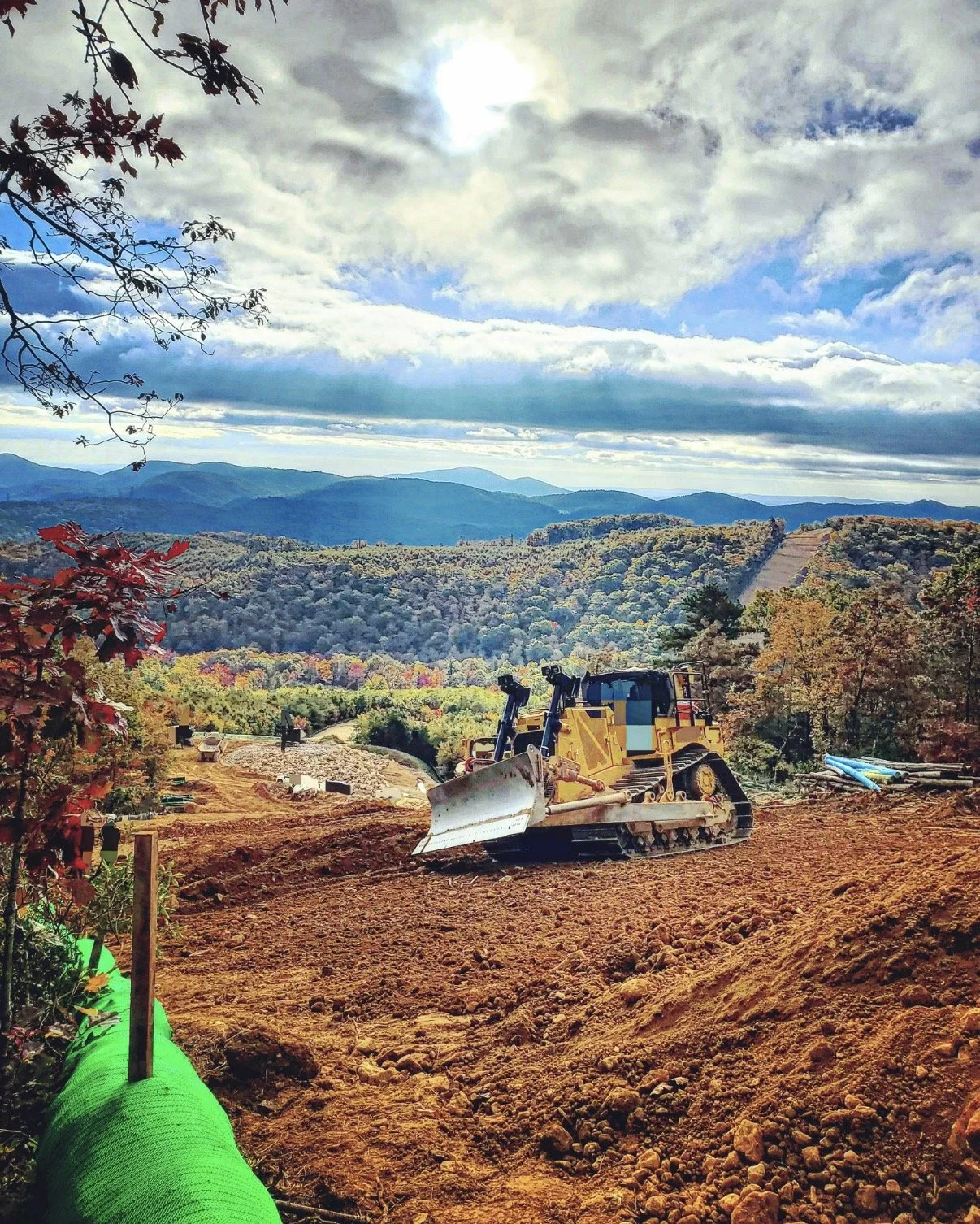
Why thoughtful grading is one of the most important investments you can make in your land.
When people think about excavation work, they often picture heavy equipment, cleared land, and the visible transformation of a property.
What they don’t always see is the quieter work happening underneath it all—the careful shaping of the land that protects everything built on top of it.
That’s grading.
And while it may not be the most exciting part of a project, it’s one of the most important.
Proper grading influences how water moves across a property, how stable structures remain over time, and how well the land functions season after season. In Fauquier County, where rolling terrain and elevation changes are common, grading is a crucial consideration.
Done well, it protects your investment for years to come.
What Is Grading?
Grading is the process of shaping and adjusting the land's surface to create a proper slope, drainage, and stability.
Depending on the property and project, grading may be used to:
Prepare a homesite
Improve drainage
Create stable driveways or access roads
Prevent erosion
Support landscaping and hardscaping
Prepare land for ponds, barns, or agricultural use
At its core, grading is about creating balance between the natural contours of the land and the practical needs of the property.
Why Grading Matters More Than Many People Realize
A property can appear beautiful on the surface while hidden drainage issues slowly cause damage underneath.
Without proper grading, water tends to find its own path—and that path is not always where you want it to go.
Over time, poor grading can contribute to:
Water pooling near foundations
Washed-out driveways
Erosion around structures
Soggy or unusable areas of land
Damage to landscaping and hardscaping
In rural areas like Fauquier County, where larger properties and natural slopes are common, these issues can become expensive quickly if they’re not addressed early.
Working With the Natural Contours of the Land
Good grading doesn’t force the land into something unnatural.
Instead, it works in conjunction with the existing terrain to guide water safely and support the long-term functionality of the property.
That’s especially important in Fauquier County, where no two properties are exactly alike. Some sites feature rolling hills and rocky terrain, while others are characterized by clay-heavy soil or naturally low-lying spots where water collects.
An experienced excavating contractor understands how to evaluate those conditions and shape the land accordingly.
The goal is not simply to make the property level. It’s to make it work well over time.
Drainage and Water Management
One of the primary purposes of grading is drainage control.
A properly graded property helps move water away from structures, driveways, and areas vulnerable to erosion. In many cases, subtle adjustments in slope can make a significant difference in how the property performs during heavy rain.
Thoughtful drainage planning may include:
Swales to direct water flow
Graded slopes around structures
Drainage systems or culverts
Stabilization in erosion-prone areas
When grading and drainage are approached together, the result is a property that remains more stable, usable, and resilient over time.
Driveways, Access Roads, and Long-Term Durability
In rural areas, grading also plays a major role in the performance of driveways and access roads.
A driveway that isn’t properly graded may begin developing issues almost immediately—standing water, rutting, erosion, or washouts after storms.
Proper grading helps create:
Stable foundations
Improved drainage
Better longevity for gravel or paved surfaces
Safer access year-round
A well-built driveway should feel solid and intentional, not like a constant maintenance project.
Grading for Future Projects
One of the most valuable aspects of proper grading is that it prepares the land for what comes next.
Whether you’re building a home, adding a barn, installing fencing, constructing a pond, or improving outdoor living spaces, grading creates the foundation that allows those projects to succeed.
It’s often one of the earliest phases of a project—but its impact lasts long after the equipment leaves the site.
If you’re still in the early planning stages, understanding the role of site preparation and drainage planning can help you avoid costly issues later in the process.
Experience Matters
Grading requires more than machinery. It requires judgment, precision, and an understanding of how the land behaves over time.
In Fauquier County, local experience matters. Soil conditions, terrain, drainage patterns, and seasonal weather all influence how grading should be approached.
A thoughtful contractor doesn’t just focus on how the land looks when the project is complete. They focus on how it will function years from now.
That long-term perspective is what protects your investment.
Protecting Your Property Starts From the Ground Up
Good grading is rarely noticed when it’s done well—and that’s often the point.
Water moves where it should. Structures remain protected. The property feels stable, usable, and natural.
When grading is overlooked or rushed, the problems tend to surface later, often in ways that are difficult and expensive to correct.
Taking the time to shape the land properly from the beginning creates a stronger foundation for everything that follows.
Serving Fauquier County, Virginia
Monomoy Services provides grading, drainage, excavation, and land improvement services throughout Fauquier County, including Warrenton, Marshall, The Plains, and surrounding rural properties.
Monomoy Services gladly discusses your land, your goals, and the best path forward if you’re planning a project in Fauquier County and want to ensure your property is properly prepared from the ground up. Contact us today.