New Pond Construction in Fauquier County, VA: What Landowners Need to Know
Are you planning a pond or lake on your property? Here’s what to consider in Fauquier County, Virginia, before the excavation begins.
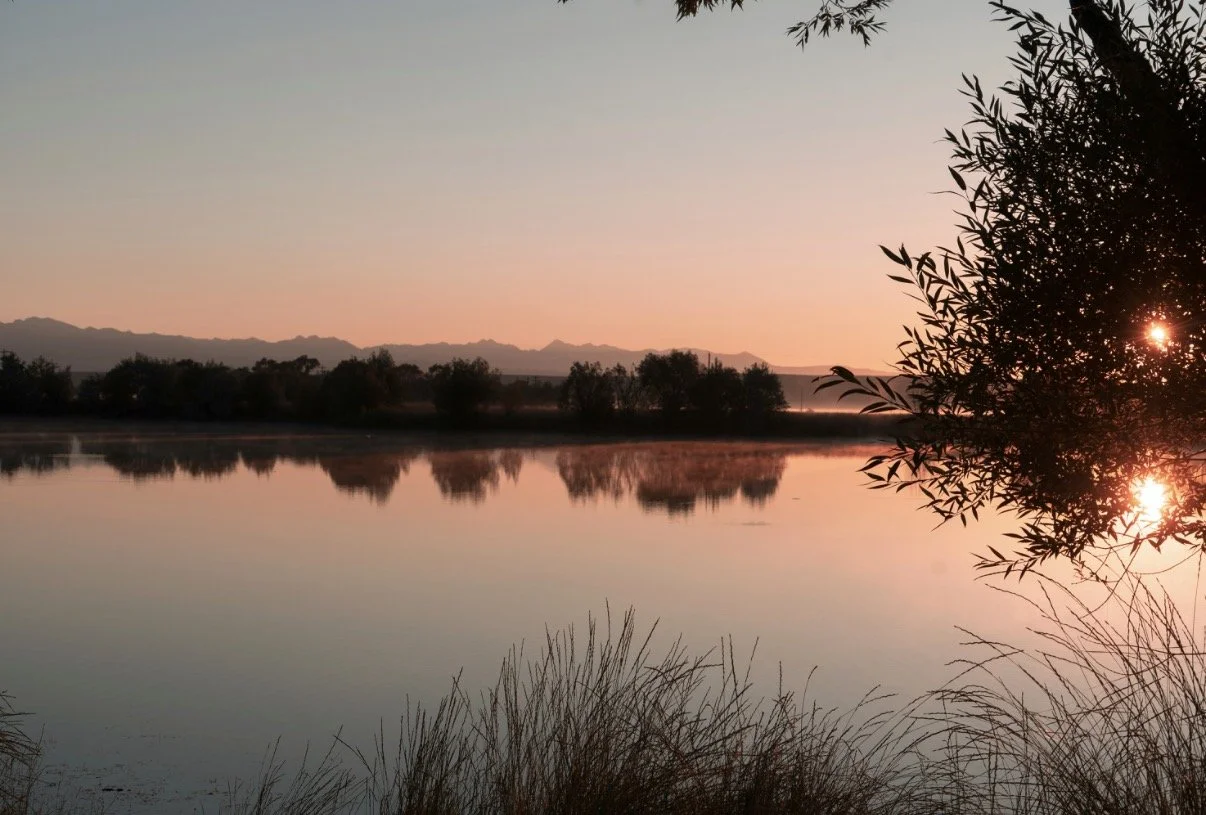
There’s something timeless about a well-placed pond.
Whether it’s designed for aesthetics, recreation, livestock, or land management, a pond can completely transform a property—adding both beauty and long-term value. In a place like Fauquier County, where rural land and open space are part of our landscape, ponds often become a natural extension of the land itself.
But building a pond isn’t as simple as digging a hole and waiting for it to fill.
Thoughtful planning, proper excavation, and a clear understanding of the land are what turn an idea into something lasting.
Understanding the Purpose of Your Pond
Before any excavation begins, it’s important to define how the pond will be used.
Different goals require different approaches. A pond designed for livestock or irrigation will have different specifications than one intended for recreation or visual appeal.
Common uses include:
Recreational ponds for fishing or relaxation
Water sources for livestock or agriculture
Landscape features that enhance estate properties
Stormwater management and drainage support
Clarifying the purpose early helps guide decisions around size, depth, location, and overall design.
Choosing the Right Location
Location is one of the most critical factors in successful pond construction.
In Fauquier County, the natural contours of the land often provide excellent opportunities—but they also require careful evaluation.
A good location takes into account these factors:
Natural water flow and drainage patterns
Soil composition and water retention capability
Elevation and surrounding terrain
Proximity to structures and access points
Building in the wrong location can lead to ongoing maintenance issues, poor water retention, or structural instability. A well-chosen site, on the other hand, allows the pond to function naturally and efficiently.
Soil and Water Retention
Not all soil holds water equally—and this is where experience matters.
Clay-heavy soils tend to retain water well, while sandy or rocky soil may require additional work to create a proper seal.
Before construction, the site should be evaluated to determine:
Whether the soil can naturally hold water
If compaction will be sufficient
Whether liners or amendments are needed
In Fauquier County, soil conditions can vary significantly from one property to another. Understanding those conditions early helps prevent costly adjustments later.
Excavation and Design
Once the planning phase is complete, excavation begins—and this is where precision makes all the difference.
Pond construction isn’t just about depth. It involves shaping the basin, establishing proper slopes, and creating a structure that will remain stable over time.
This includes:
Gradual side slopes for stability and safety
Proper depth for the intended use
Reinforced areas where needed
Integration with the surrounding landscape
Well-executed excavation ensures the pond not only functions properly but also feels like a natural part of the property.
If you’re still early in your project planning, understanding the role of proper excavation and site preparation can be a helpful first step.
Drainage and Water Management
Water management is just as important in pond construction as it is in site preparation.
Without proper planning, ponds can overflow, erode, or fail to maintain consistent water levels.
Key considerations include:
Managing runoff from the surrounding land
Preventing erosion around the pond edges
Establishing overflow or spillway systems
Protecting nearby structures and landscapes
In many cases, pond construction works hand-in-hand with broader drainage planning across the property.
Permits and Local Considerations
Depending on the size and scope of the pond, permits or environmental considerations may apply.
In Fauquier County, it’s important to be aware of:
Local land use regulations
Environmental impact requirements
Water management guidelines
Working with a contractor who understands these requirements can help ensure the project moves forward smoothly and avoids unnecessary delays.
Long-Term Value and Enjoyment
A well-built pond is more than a feature—it’s an investment in the property.
It can enhance usability, increase visual appeal, and create a space that evolves with the land over time. When thoughtfully designed and properly constructed, a pond becomes something that adds value year after year.
Building a Pond in Fauquier County
Pond construction requires a balance of vision, technical expertise, and respect for the land.
When those elements come together, the result is something that feels both intentional and natural—an addition that complements the property rather than competing with it.
If you’re considering a pond project, working with an experienced Fauquier excavating contractor ensures that every step—from site selection to final grading—is handled with care and precision.
Serving Fauquier County, Virginia
Monomoy Services provides pond construction and excavating services throughout Fauquier County, including Warrenton, Marshall, The Plains, and surrounding rural properties.
If you’re considering adding a pond to your property in Fauquier County, Monomoy Services is always available to talk through your vision, evaluate your land, and help you plan the next steps with clarity and confidence. Contact us today!