Before You Break Ground in Fauquier County: Site Preparation, Grading, & Drainage Explained
What every landowner should know about preparing rural property for construction in Fauquier County, Virginia.
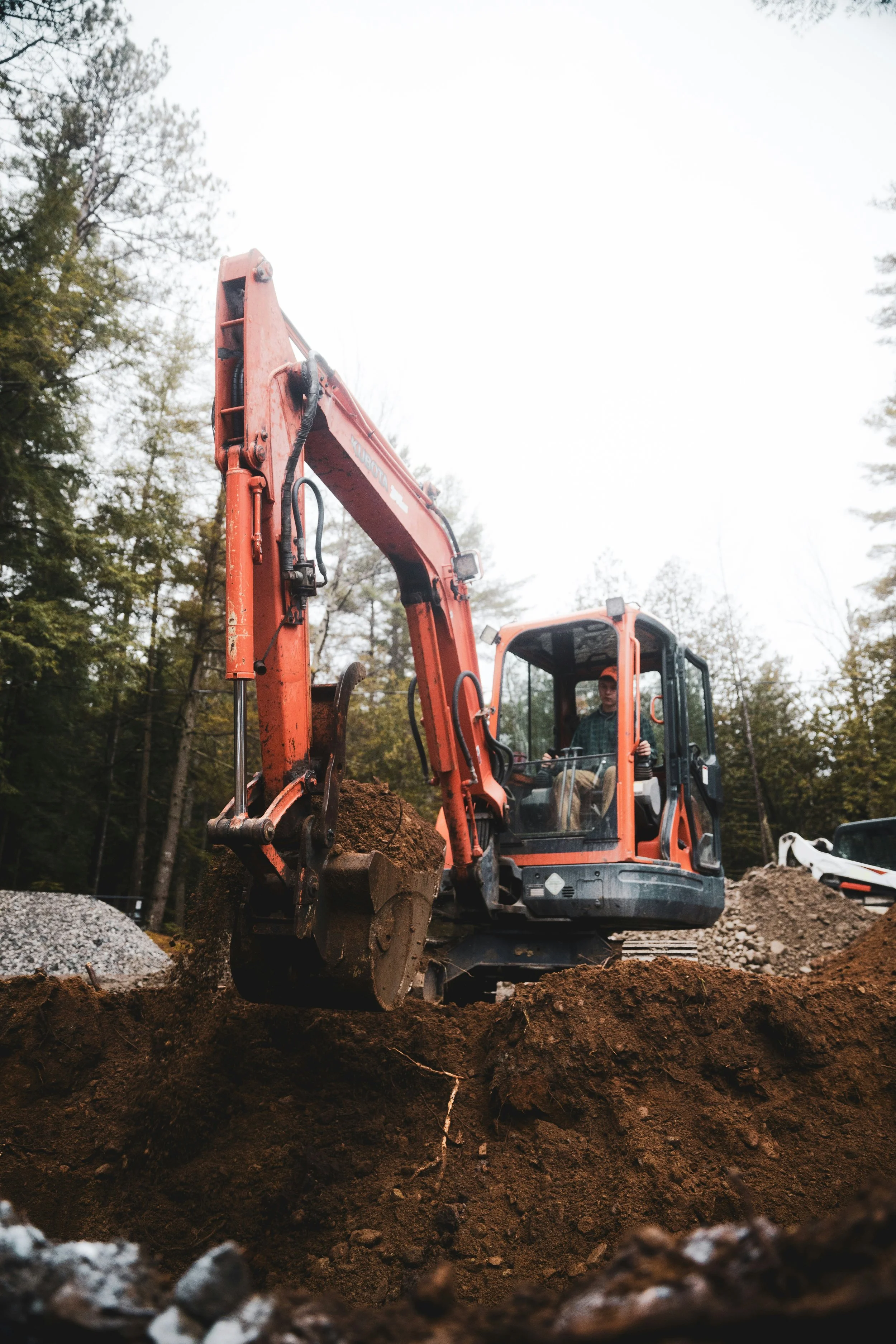
If you’ve recently purchased land in Fauquier County—or you’re planning to—you’re likely envisioning what it will become. Your dream home set back from the road, a meandering driveway winding through the property, or open land shaped with intention and care.
It’s an exciting place to be. And at the same time, there are important early decisions that will shape everything that follows.
Before any construction begins, the land itself has to be understood and prepared.
What Is Site Preparation?
Site preparation is the process of getting raw land ready for building—but in practice, it’s much more than that.
It’s a thoughtful, step-by-step approach that considers how the land will function over time, not just its appearance in the moment.
Depending on the property, this can include clearing, grading, soil evaluation, drainage planning, and establishing access. Each of these elements works together to create a foundation that supports the entire project.
Why Site Preparation Matters on Rural Land
In more developed areas, much of the groundwork has already been done. Utilities are nearby, terrain is more predictable, and lots are often prepared in advance.
Rural land is different—and that’s part of what makes it so appealing.
In Fauquier County, properties often feature rolling hills, wooded areas, natural waterways, and diverse soil conditions. These characteristics add beauty and value, but they also require a more experienced and intentional approach.
Site preparation isn’t just about making the land buildable. It’s about shaping it in a way that supports long-term stability, usability, and the vision you have for the property.
Land Clearing with Intention
Clearing is often the first visible step, but it’s not simply a matter of removing trees and brush.
Decisions made during this phase have a lasting impact. What you choose to preserve can help with erosion control, privacy, and the overall character of the land. What you remove creates space for building and access.
A thoughtful approach to clearing strikes the right balance—preparing the land while still respecting its natural features.
Grading and Shaping the Land
Once the site is cleared, grading begins—and this is where the land truly starts to take shape.
Grading creates a stable base for construction while also guiding the movement of water across the property. In Fauquier County, where slopes and elevation changes are common, this step requires precision and experience.
Rather than forcing the land into a rigid plan, good grading works with the natural contours—creating a result that feels both functional and natural.
Drainage: Planning for What You Don’t See
One of the most important parts of site preparation is also the least visible.
Water management plays a critical role in protecting your investment. Without proper planning, water can pool around foundations, wash out driveways, and cause erosion over time.
A well-prepared site includes a clear plan for drainage from the beginning. This may involve shaping the land, installing systems, or simply anticipating how water will move during heavy rain.
Addressing drainage early helps prevent problems later—and ensures the land performs the way it should.
Access and Driveway Preparation
Before construction can begin, the property needs to be accessible.
On rural land, that often means creating a driveway that can support construction equipment and daily use long after the project is complete.
This step involves more than placing gravel. It requires proper grading, a solid base, and attention to drainage so the driveway remains stable and functional over time.
Done well, it becomes a lasting and practical feature of the property.
Experience Makes the Difference
Each step in site preparation is connected. Decisions made early in the process influence everything that follows—from drainage to durability to the overall success of the build.
That’s why experience matters, especially in an area like Fauquier County.
Working with someone who understands the local land, soil, and conditions brings clarity to the process. It allows potential challenges to be addressed early and ensures the work is done with both precision and foresight.
Building on a Strong Foundation
When site preparation is done well, it often goes unnoticed—and that’s a good thing.
The land feels stable. Water flows where it should. Everything that follows, from construction to landscaping, has the support it needs.
When it’s rushed or overlooked, the issues tend to appear later—and they’re often much harder to correct.
Starting Your Project in Fauquier County
If you’re preparing to build on rural land in Fauquier County, taking the time to understand and prepare your site properly is one of the most valuable steps you can take.
It sets the tone for the entire project and helps ensure that what you build will last.
If you’re beginning a project in Fauquier County, taking the time to properly understand your land is one of the most important first steps. Monomoy Services is always available to talk through your plans and help you move forward with clarity and confidence. Get in touch with us here.