Excavation for Equestrian Properties in Virginia: Designing Land That Works for Horses and People
Thoughtful planning, grading, drainage, and excavation create equestrian properties that are beautiful, functional, and built to last.
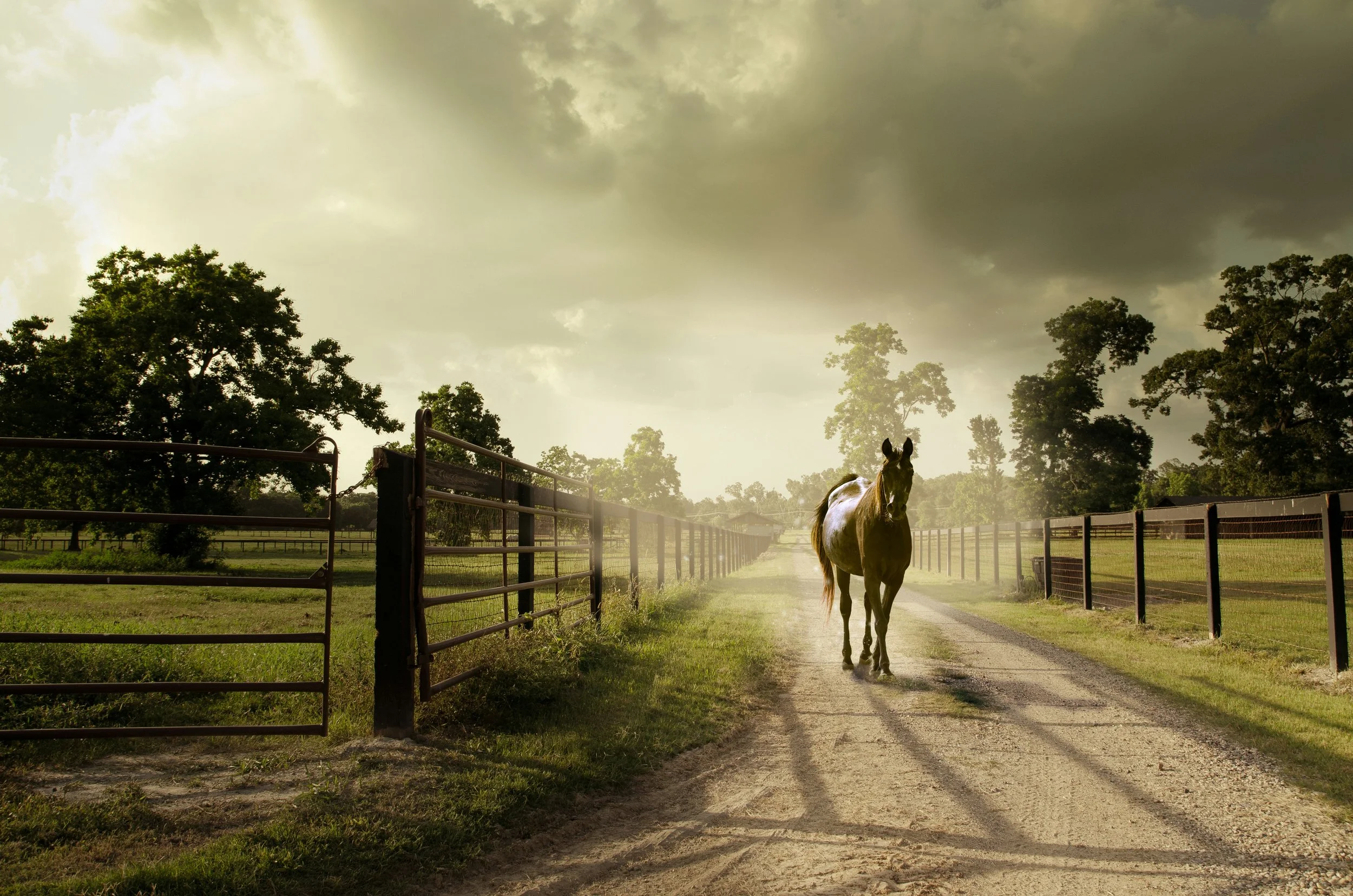
Developing an equestrian property is about much more than adding a barn, riding ring, or pasture to a piece of land. The property’s success often begins long before construction starts—with how the land is evaluated, shaped, and prepared.
For horse owners, riders, trainers, and property owners throughout Virginia, the terrain is part of the equation. Slopes, soil conditions, water movement, existing vegetation, access, and the relationship between different areas of the property all influence how well an equestrian facility will function over time.
That is where thoughtful excavation and land development become especially important.
Whether the vision includes a private riding arena, expansive pastures, a polo field, a new barn, improved access roads, or a complete transformation of rural acreage, the goal should be more than simply moving earth. The goal is to create land that works—beautifully, practically, and in harmony with the surrounding property.
Start With the Land, Not Just the Building
Every equestrian property has its own characteristics. A site that looks ideal at first glance may present challenges once you consider drainage, elevation changes, soil conditions, access, and how the various improvements will work together.
Before excavation begins, it is important to understand the land as a whole.
Where does water naturally flow? Which areas are well suited for buildings or riding surfaces? Where are the natural high and low points? Are there existing slopes we can incorporate into the design? Which mature trees or landscape features should be preserved? How will equipment and vehicles access the property during construction—and how will owners, staff, trailers, and guests use that access once the project is complete?
Answering these questions early can prevent costly changes later.
For rural properties in Fauquier County and throughout Virginia, understanding the existing terrain matters. The objective isn't necessarily to make the land flat. In many cases, the best result comes from working with the property's natural contours and making carefully considered adjustments where needed.
Grading Is Critical to Equestrian Property Development
Grading may not be the most visible part of an equestrian property, but it is one of the most important.
A properly graded site directs water where it needs to go, creates stable areas for buildings and riding surfaces, and establishes the elevations needed for roads, driveways, pastures, and other improvements.
Consider a riding arena. Its performance depends on more than the footing installed on top. The underlying site needs proper preparation so water doesn't collect where it shouldn't, and the surface stays stable and usable.
The same principle applies to barns, paddocks, equipment areas, and access roads. If water lingers, it can lead to muddy conditions, erosion, rutting, deterioration, and ongoing maintenance challenges.
Good grading addresses those concerns before they become problems.
Drainage Protects the Entire Property
Water management is especially important on equestrian properties because many areas need to remain usable in changing weather conditions.
A well-designed drainage strategy can help move stormwater away from buildings and riding areas while reducing erosion and protecting roads, fields, and surrounding landscape.
Depending on the property, solutions may involve strategic grading, swales, drainage systems, culverts, water-management features, or other site-specific improvements. The right solution depends on the terrain and the property's goals—not a one-size-fits-all formula.
This is one reason local experience matters.
A contractor familiar with rural Virginia properties understands that drainage is not simply a matter of installing a pipe and directing water somewhere else. Water needs to be managed thoughtfully within the broader landscape.
Creating Functional Riding and Equestrian Spaces
An equestrian property may include several distinct areas, each with its own requirements.
A riding arena needs appropriate dimensions, grading, drainage, and base preparation. Pastures need thoughtful shaping and water management. Barn sites require stable building pads and reliable access. Polo fields demand large, carefully graded expanses that can support their intended use.
Even seemingly simple improvements can involve substantial excavation and land preparation.
The key is to consider how these spaces relate to one another.
Where should the barn sit in relation to the arena? How will horses move between the barn, paddocks, and fields? Where will trailers and farm equipment travel? How will service vehicles access different parts of the property? Are there areas where water naturally collects that should be addressed before improvements are made?
When these questions are considered as part of the overall site plan, the property becomes more than a collection of individual improvements. It becomes a cohesive working landscape.
Access Matters More Than You Might Think
Equestrian properties require dependable access—not only for the owners and their guests, but also for trailers, feed deliveries, equipment, maintenance vehicles, and emergency access.
Rural driveways and private roads must be designed around the property's terrain and intended use. Steep grades, poor drainage, soft soils, and inadequate base preparation can create problems that become increasingly expensive to correct once the property is in use.
Excavation can help establish durable access routes that accommodate both construction traffic and the property's long-term needs.
Because access roads often cross or follow natural contours, consider design alongside grading and drainage rather than treating it as an isolated project.
Preserve What Makes the Property Special
Developing an equestrian property does not mean erasing its existing character.
In fact, some of the most successful rural properties feel as though the improvements belong there.
That may mean preserving mature trees, incorporating natural topography, protecting established views, or positioning new improvements so they complement the surrounding landscape.
Land clearing and excavation should therefore be approached with intention. Not every tree needs to come down. Not every slope needs leveling. Not every low area needs filling.
Sometimes the best solution is the one that makes the fewest unnecessary changes while still creating the functionality the property requires.
This approach can help maintain the beauty and identity of a Virginia estate while making the land more useful for the people and animals who depend on it.
Think Beyond the Immediate Project
One of the most important considerations when developing an equestrian property is what may happen five, ten, or even twenty years from now.
Perhaps the initial project includes a barn and riding arena, but future plans could involve additional paddocks, expanded pasture, a larger driveway, a guest house, a private lake, or other estate improvements.
Thinking ahead can influence where grading occurs, how drainage is handled, where access is established, and how the initial improvements are positioned.
That does not mean every future project needs to be designed today. It means avoiding decisions that unnecessarily limit future possibilities.
Thoughtful land development creates flexibility.
Experience Matters on Complex Rural Properties
Equestrian properties often combine many different types of excavation and land improvement within one project. A single property may require site preparation, grading, drainage, roadwork, clearing, pond or water-management work, and specialized excavation.
That level of complexity makes experience especially valuable.
Monomoy Services has worked on rural Virginia properties since 1990, when founder John Pennington started the company with a single backhoe. Over the years, the company has grown into a strong team capable of handling specialized excavation and land-development projects, including equestrian facilities and large rural estates.
That experience brings an important perspective to the work: understanding that the excavation is only one part of the larger vision for the property.
The objective is to shape the land in a way that supports what the property is meant to become.
Building an Equestrian Property With Purpose
A successful equestrian property should be beautiful, but it also needs to function every day.
Horses need safe, usable spaces. Riders need reliable footing and access. Owners need practical circulation and maintenance. Buildings need solid foundations and protection from water. Fields and pastures need to perform through changing seasons.
Those outcomes begin with decisions made beneath the surface.
With careful planning, appropriate grading, effective drainage, and experienced excavation, rural land can be transformed into an equestrian property that feels natural to the landscape while supporting the demands of modern use.
Whether the vision is a private riding facility, a working farm, an expansive polo field, or a complete estate transformation, the right approach starts with understanding the land—then shaping it with purpose.
Ready to Shape Your Property's Potential?
Every rural property has potential. The challenge is knowing how to uncover it without compromising the land's natural character.
From equestrian facilities and riding fields to roads, drainage systems, ponds, and estate improvements, Monomoy Services brings decades of excavation and rural land-development experience to properties throughout Fauquier County and surrounding Virginia communities.
If you're considering an equestrian or estate improvement project, start with a conversation about the land, your goals, and what you envision for the property.