From Acreage to Opportunity: Planning Rural Land Improvements in Virginia
Thoughtful land planning can transform rural acreage into a property that is more functional, more beautiful, and better suited to the way you envision using it.
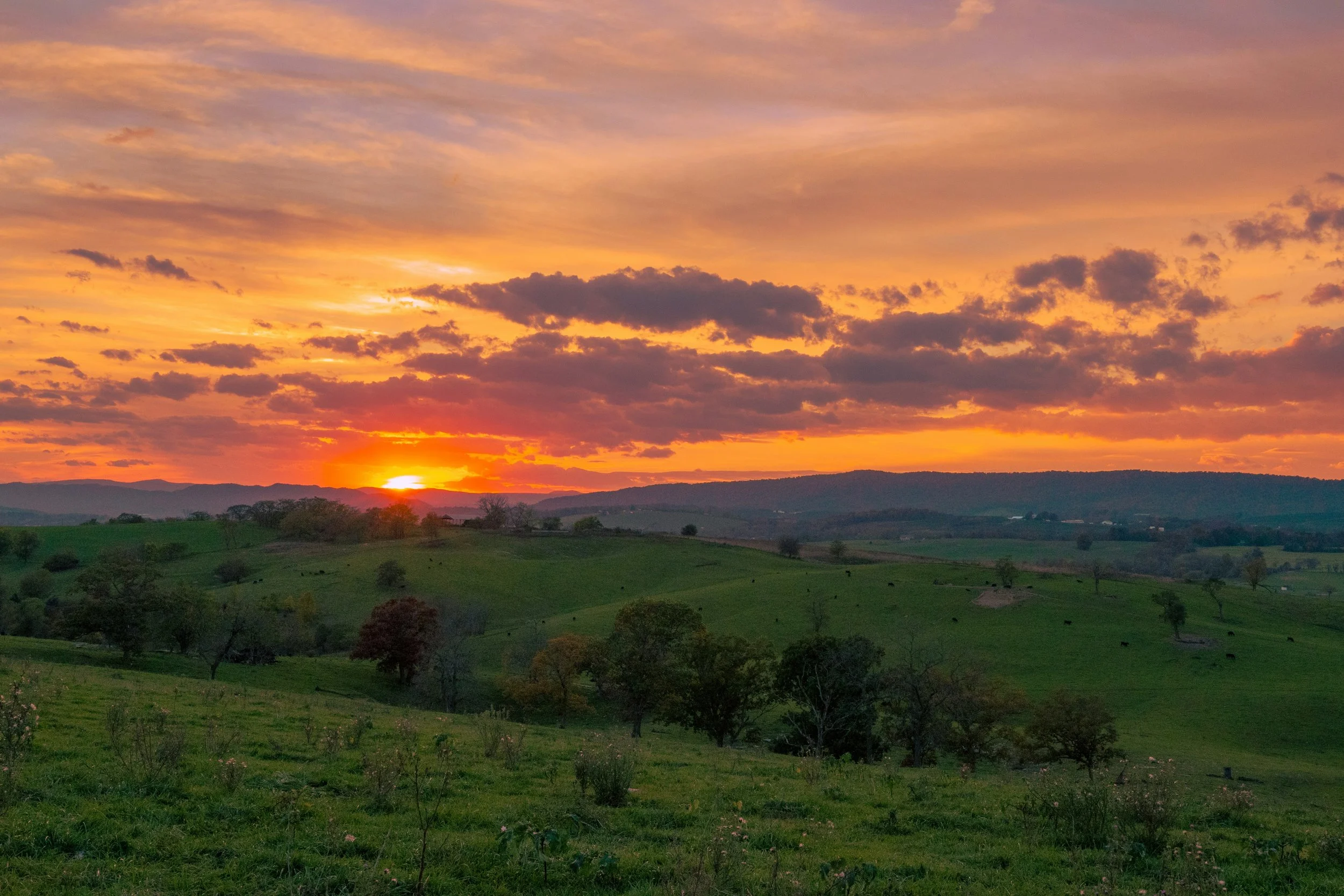
Owning a large piece of rural land offers possibilities a smaller property simply cannot. There may be room for a new homesite, a barn, riding facilities, pastures, private roads, gardens, recreational spaces, or even a lake. But acreage alone does not determine what a property can become.
The real opportunity lies in understanding the land and making improvements that work together.
For Virginia landowners, particularly those with farms, estates, and larger rural properties in Fauquier County and the surrounding region, thoughtful planning can make the difference between a collection of disconnected improvements and a property that feels intentional from one end to the other.
That process begins with looking beyond the immediate project.
Instead of asking, “What can we build here?” it can be more useful to ask, “What do we want this property to become?”
Start With a Vision for the Whole Property
Rural land improvements are often completed over time. A property owner may begin with a driveway and homesite, then add a barn a few years later. Perhaps a riding arena or pasture comes next, followed by a pond, guest house, garden, or additional access road.
There is nothing wrong with developing a property in phases. In fact, phased development can be a practical way to make significant improvements while allowing plans to evolve.
The key is to consider the larger vision from the beginning.
Where will future improvements be located? How will people, vehicles, equipment, and animals move throughout the property? Which areas should remain wooded or natural? Where does water naturally flow? Which views are worth preserving? Are there slopes that can be incorporated into the design rather than completely reshaped?
These questions help establish a framework for future work.
Good land planning does not require knowing exactly what the property will look like ten years from now. It simply means making today's decisions with tomorrow's possibilities in mind.
Understand the Natural Characteristics of the Land
Every parcel has a story written into its topography.
Some areas may sit high and dry, while others naturally collect water. One portion of the property may have gentle slopes, while another may have more dramatic elevation changes. Soil conditions can vary from one area to another, and existing vegetation may tell you something about how the land behaves.
Use those characteristics to guide your improvement plans.
For example, a homesite may be best positioned on naturally suitable ground rather than forcing an area into an entirely different configuration. A driveway may follow an existing contour to reduce unnecessary grading. A pond may be located where the landscape and water flow naturally support it.
Working with the land can often produce a more efficient and visually pleasing result than trying to make the entire property conform to a predetermined plan.
Grading Creates the Framework
Grading is a fundamental tool for turning a rural property vision into reality.
It establishes elevations, shapes usable areas, directs water, prepares building sites, and creates the foundation for roads and other improvements.
But grading is not simply about making land level.
On a large property, carefully considered grades can create gentle transitions between different areas while preserving natural character. They can help establish usable fields, provide appropriate slopes for roads and driveways, and direct stormwater away from buildings and other sensitive areas.
The best grading work is often the work you barely notice once it is complete because it feels natural to the property.
Water Should Be Part of the Plan From the Beginning
Water is one of the most important considerations in rural land development.
Poorly managed water can affect driveways, foundations, fields, lawns, retaining areas, and access routes. Over time, erosion and standing water can turn what seemed like a minor issue into a persistent maintenance problem.
That is why drainage should not be treated as an afterthought.
A comprehensive approach considers how water moves across the property before major excavation begins. Depending on the site, solutions may include grading, swales, culverts, drainage systems, water-management features, ponds, or other site-specific improvements.
The goal is not simply to move water away from one location. It is to understand where the water is coming from, where it needs to go, and how the surrounding landscape will respond.
For rural properties, that broader perspective is especially important.
Create Access That Serves the Property
A beautiful rural property still needs to function.
Driveways and private roads provide access to homes, barns, fields, work areas, recreational spaces, and future improvements. On larger properties, secondary access routes may also be necessary for agricultural equipment, maintenance vehicles, deliveries, trailers, or emergency access.
The location and construction of those routes can influence the entire property.
A road that follows the terrain appropriately can minimize unnecessary excavation and create a more natural relationship with the landscape. Proper grading and drainage can help protect the road from erosion and deterioration.
When you plan future improvements at the same time, you can position access routes to serve more than one purpose.
That kind of planning can save both time and expense as the property evolves.
Make Room for the Way You Actually Live
Land improvements should ultimately support the people who own and use the property.
For some landowners, that may mean creating an expansive lawn and garden environment around the home. For others, it could mean developing pastureland, agricultural areas, equestrian facilities, recreational spaces, or a private lake.
The right plan depends on the property and the people who use it.
This is why there is no universal blueprint for rural land development.
A successful plan considers practical needs as well as aesthetic goals. How will the property be maintained? Where will equipment go? How will guests arrive? Where will animals move? Which areas need to remain accessible throughout the year? What views should be highlighted? Which portions of the land should remain untouched?
These decisions shape the character of the finished property just as much as the excavation itself.
Preserve the Character That Drew You to the Land
Many people choose rural Virginia properties because of their landscape in the first place.
Rolling fields. Mature trees. Long views. Natural waterways. Wooded areas. Open pasture. Quiet roads.
Thoughtful development should not require sacrificing those qualities.
In some cases, preserving a mature stand of trees may be more valuable than clearing additional acreage. A natural slope may create a more beautiful setting for a driveway or homesite. An existing landscape feature may become an asset rather than an obstacle.
Approach land clearing and excavation with restraint.
The objective is not to change everything.
It is to make the right changes.
Think in Phases
Large rural properties rarely need to be completed all at once.
A phased approach allows landowners to prioritize the improvements that matter most while creating a framework for future work.
For example, an initial phase might include access, site preparation, drainage, and a homesite. A later phase could include a barn, riding arena, pasture improvements, or additional roads. Still later, the property might evolve to include a pond, expanded landscaping, or other estate improvements.
When you consider those phases together, today's excavation can help prepare the way for tomorrow's projects.
That is one of the greatest advantages of thinking about land as a whole rather than treating each project as an isolated undertaking.
Experience Matters When the Land Is the Project
Complex rural properties require more than equipment.
They require an understanding of how grading, drainage, access, excavation, and land use interact. They also require the ability to recognize opportunities within the existing landscape and anticipate how today's work will affect the property years from now.
Monomoy Services has shaped rural Virginia properties since 1990, when founder John Pennington started the company with a single backhoe. Today, the company brings decades of experience to specialized excavation and land-development projects throughout Fauquier County and surrounding communities.
That experience includes the kinds of improvements that make large rural properties truly functional: site preparation, grading, drainage and erosion control, roads and driveways, ponds and lakes, wetland development, equestrian facilities, and custom excavation.
The work may begin with earthmoving, but the finished result is about much more than dirt.
It is about creating a property that works.
Your Land Has More Potential Than You May See Today
One of the rewards of owning rural acreage is that the possibilities can continue to unfold over time.
A property that begins as an open field may eventually become a working farm. An undeveloped parcel may become a private estate. A wooded property may reveal the perfect homesite after thoughtful clearing. A simple driveway may become the first step toward an entirely new vision for the land.
The process starts with understanding what is already there.
From there, thoughtful excavation and land improvements can help reveal what is possible while respecting the natural character that makes the property worth preserving.
Whether you're planning a new homesite, improving an existing farm, developing an equestrian property, creating a private lake, or simply making better use of your acreage, the most successful projects begin with a clear vision—and the experience to shape the land accordingly.
Ready to Explore What Your Property Could Become?
Every parcel has its own character, challenges, and opportunities. The right land improvements should reflect all three.
Monomoy Services provides experienced excavation and land-development services for rural properties throughout Fauquier County and surrounding Virginia communities. From grading and drainage to roads, ponds, site preparation, and custom land improvements, the team can help turn a vision for your property into a thoughtfully developed landscape. We’d love to hear your vision for your property. Contact us today.