Why proper grading, drainage, and purposeful land management help prevent erosion and protect rural properties.
Erosion rarely happens all at once. It starts small: a shallow rut along a driveway, soil washing off a hillside after a heavy rain, or sediment collecting where water never seemed to be a problem before. Over time, these minor signs can become larger issues that affect a property’s usability, appearance, and long-term stability.
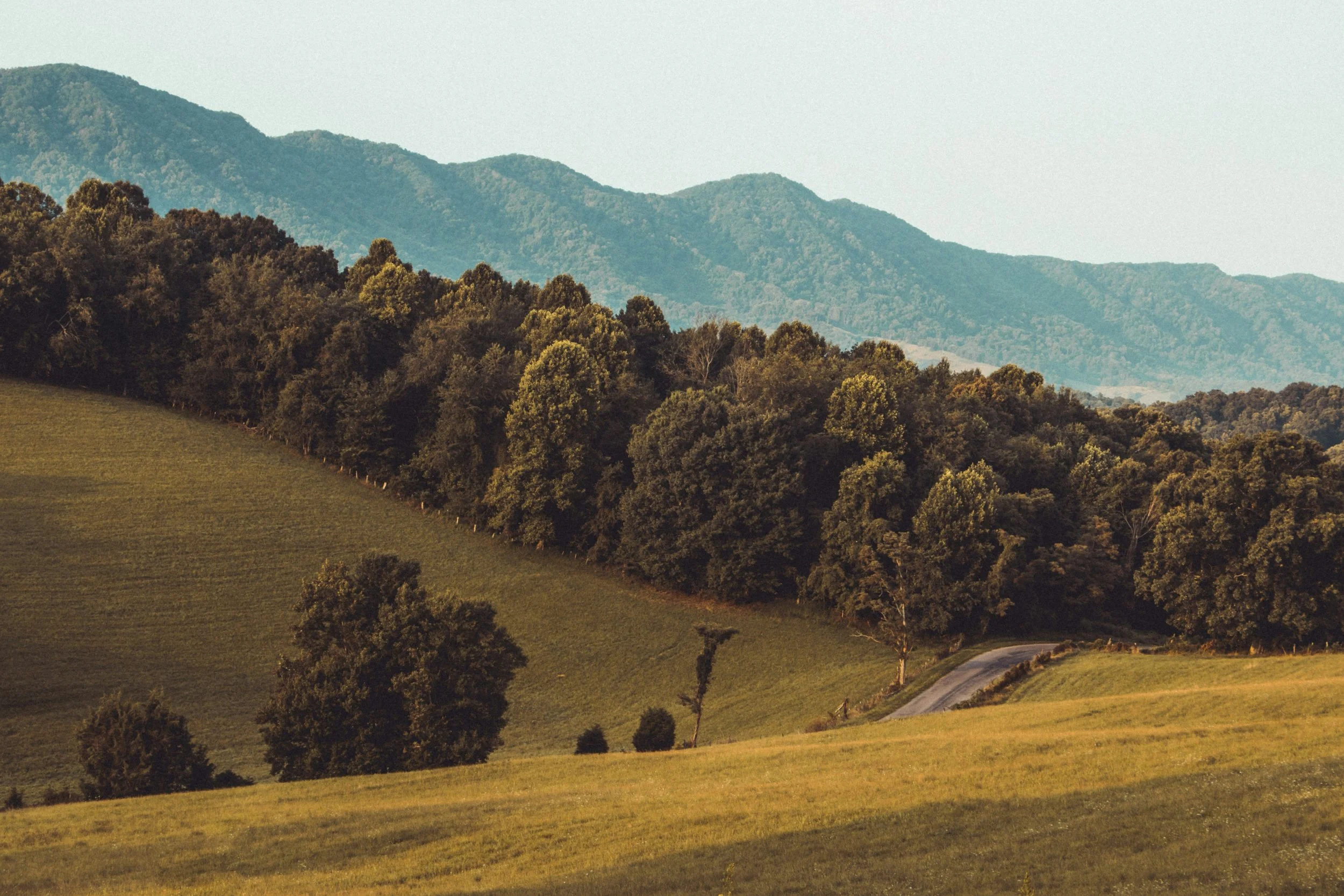
For property owners in Fauquier County and across rural Virginia, managing erosion is part of caring for the land. Rolling hills, wooded areas, open fields, and natural waterways all influence how water moves across a property, and clearing or grading can change those patterns. Effective erosion control starts with understanding how soil, slope, and water interact. With thoughtful planning and the right site preparation, you can reduce soil loss, protect your driveway and landscaping, and preserve the features that make your property distinctive.
What Causes Erosion on Rural Properties?
Erosion occurs when water or wind displaces soil and carries it away. On rural properties, rainfall and surface runoff are the most common culprits.
On undisturbed land, vegetation, leaf litter, and natural ground cover absorb rainfall and slow water down, while roots hold soil in place. When that protection is removed, exposed soil becomes far more vulnerable. Common risk factors include:
Sloped terrain: Water gains speed as it moves downhill and can carry soil with it.
Disturbed ground: Clearing, excavation, construction, and grading can leave bare soil exposed to heavy rain.
Poor drainage: Water that isn’t directed properly can pool in low areas, flow across vulnerable surfaces, or concentrate where it causes damage.
Improperly designed driveways: Long or steep driveways are especially prone to ruts and washouts when runoff isn’t managed.
Loss of vegetation: Removing trees, shrubs, and ground cover eliminates natural stabilization.
On Fauquier County properties with substantial acreage, wooded hillsides, fields, ponds, and winding private roads, these factors often overlap. That’s why erosion should be part of any land development or property improvement plan from the start.
Signs Your Property May Have an Erosion Problem
Some erosion is obvious after a big storm. Much of it develops gradually. Watch for:
Soil washing off slopes: Bare patches, exposed roots, or small channels on a hillside suggest runoff is carrying soil downhill.
Ruts and washouts on driveways: Water flowing over a driveway strips gravel, carves channels, and undermines the surface.
Sediment in low areas: Soil that leaves one part of your property settles somewhere else. Buildup in drainage channels, low spots, or ponds can point to an upstream problem.
Bare ground after clearing: Newly cleared or graded areas are vulnerable until vegetation establishes.
Changes in water flow: New pooling, concentrated runoff, or water crossing areas it never used to are signs that grading or drainage needs a look.
These signs don’t necessarily mean a major problem, but they’re worth investigating. Fixing the source of erosion is almost always more effective than repeatedly repairing the places where soil has washed away or piled up.
Why Drainage and Erosion Control Go Hand in Hand
Drainage is about how water moves across and away from a property. Erosion control keeps that water from carrying soil away and damaging the land. They’re different, but they’re closely linked, and most properties need both addressed together.
Take a driveway washout. It looks like a gravel problem, and adding gravel may help for a while. But if water keeps running down the driveway unchecked, the damage will come back. A lasting fix means evaluating the driveway’s slope, finding where the runoff originates, and redirecting it away from the driving surface.
The same applies to hillsides, cleared fields, and pond edges. Moving soil back into place doesn’t solve anything if water keeps following the same damaging path. Successful erosion control looks at the whole site, not just the spot where the damage shows.
How Proper Grading Helps Prevent Erosion
Grading establishes your land’s contours and elevations, which determines how surface water travels and where it collects. Done well, it directs runoff away from vulnerable areas, reduces concentrated flow, and creates stable conditions for future improvements. Depending on the project, grading may involve:
Adjusting slopes to slow and control water movement
Setting appropriate elevations around buildings, driveways, and other improvements
Shaping swales or other drainage features to direct runoff
Reducing areas where water collects or flows over exposed soil
Preparing disturbed ground for stabilization and landscaping
The right approach depends on topography, soil conditions, existing drainage patterns, and how you plan to use the land. A wooded estate with a private lake has very different needs than a residential lot with a long gravel driveway. Grading is not just moving dirt from one place to another. It shapes how a property functions for years to come.
Erosion Control During Land Clearing and Excavation
The best time to think about erosion is before you disturb the ground. Clearing and excavation can significantly change how water interacts with a property by removing vegetation, creating new slopes, and exposing soil.
Depending on the project, appropriate measures may include:
Protecting areas that don’t need to be disturbed
Managing runoff around active work zones
Stabilizing exposed soil
Establishing suitable drainage features
Installing temporary erosion and sediment controls where the site or applicable requirements call for them
Once the main excavation and grading are finished, disturbed areas usually need further stabilization. Vegetation, ground cover, and other measures protect the soil as the property moves into its finished condition. Erosion control isn’t a final step. It belongs in every phase, from planning through site preparation.
Protecting Driveways, Slopes, Ponds, and Other Property Features
Different parts of a rural property face different challenges:
Driveways and access roads: Rain, runoff, and repeated traffic take a toll. Proper grading and drainage planning reduce washouts and extend the surface's life.
Slopes and hillsides: These call for attention to how water travels downhill. Solutions may include reshaping grades, redirecting runoff, or adding stabilization measures.
Ponds and lakes: Sediment washing in can harm water quality and clarity. Managing upstream runoff and protecting exposed soil helps keep it out.
Cleared fields and construction areas: These are most vulnerable before vegetation returns. Sequencing clearing, grading, and stabilization thoughtfully limits how much soil is exposed at once.
Because water doesn’t respect property features, a drainage fix in one spot can affect conditions elsewhere. Planning improvements together helps ensure they work as a system instead of creating new problems.
Why Local Excavation Experience Matters
Fauquier County properties run from open agricultural acreage to wooded estates, equestrian facilities, and expansive residential landscapes. Elevation changes, soil conditions, existing water features, and access needs all shape how a project should be approached.
An experienced excavation team thinks beyond the immediate task to how the land will perform after the equipment leaves. At Monomoy Services, we take that approach on every project, from grading and drainage to land clearing, driveways, ponds, and other custom improvements. We shape land thoughtfully and prepare it for lasting use, with an eye on both the project at hand and the conditions that will affect your property over time.
Protect Your Property Before Erosion Becomes a Bigger Problem
Left unaddressed, erosion can cause recurring driveway damage, unstable slopes, sediment buildup, and shifting drainage patterns. The earlier you identify the cause, the more options you have to address it as part of a coordinated land improvement plan.
Whether you’re preparing a site for construction, improving a driveway, developing a pond, or managing a larger rural estate, the right combination of grading, drainage, and site preparation protects your investment and preserves the character of your land.
Planning an excavation or land improvement project in Fauquier County? Contact Monomoy Services to talk through your property, your goals, and the site work needed to bring your plans to life.