How Much Does Excavation Cost in Fauquier County, VA? What Property Owners Should Know
Understanding the factors that influence excavation costs can help you plan your project, ask better questions, and make confident decisions about your property.
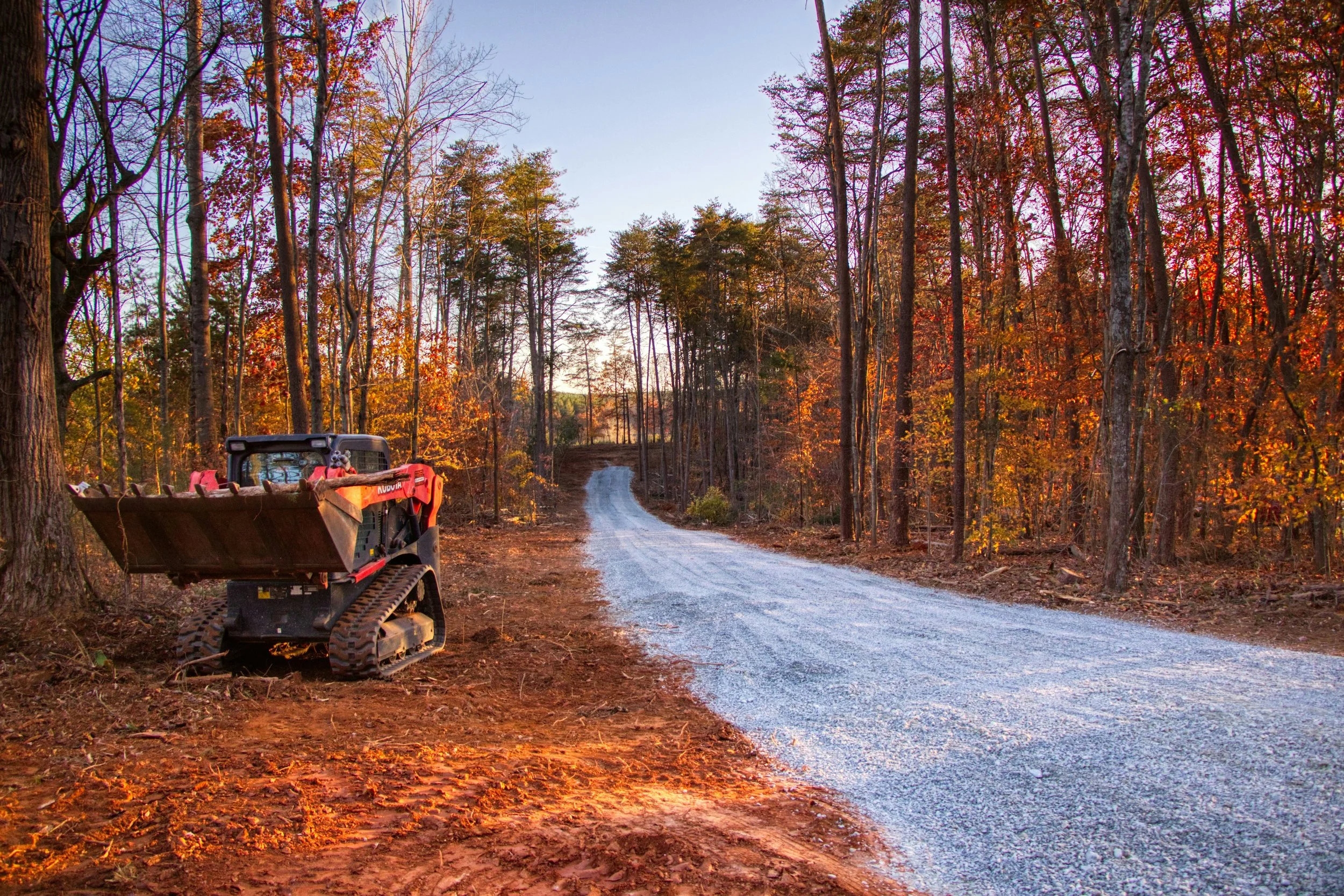
Whether you’re preparing a homesite, improving a rural driveway, addressing drainage concerns, or planning a pond on your property, excavation is often one of the first major steps toward bringing your vision to life. It’s also one of the areas where property owners may have the most questions about cost.
How much should you budget? What affects the final price? Why can two projects that appear similar have very different estimates?
The answer starts with understanding that excavation is rarely one-size-fits-all. A project's cost depends on the property, the work required, the conditions beneath the surface, and the results you’re trying to achieve.
For landowners in Fauquier County and rural Virginia, taking the time to understand these factors can make planning more straightforward and help you evaluate estimates with greater confidence.
Why Excavation Costs Vary From One Project to Another
An excavation estimate reflects much more than the number of hours an excavator will be running. It accounts for the scope of work, equipment needs, site conditions, material handling, access, and other project-specific factors.
A relatively straightforward site preparation project on accessible, gently sloping land may involve very different requirements from a pond excavation, a steep rural driveway, or a large estate improvement involving several interconnected areas.
Even similarly sized properties can present different challenges.
One site may have favorable soil conditions and easy access for equipment. Another may require extensive grading, careful water management, additional material handling, or work around existing structures and landscape features.
That’s why a reliable estimate begins with understanding the actual property and the intended outcome—not simply applying a standard price per acre or per hour.
1. The Scope and Complexity of the Work
One of the biggest influences on excavation costs is the amount and type of work involved.
For example, preparing a building site may require clearing vegetation, removing unsuitable material, establishing elevations, grading the area, and coordinating drainage. A driveway project may involve excavation, shaping the roadbed, preparing the base, and managing runoff along the route.
A pond or lake project introduces another set of considerations, including the proposed size and depth, the site’s topography, soil conditions, water management, and any necessary supporting work.
The more complex the project, the more important it becomes to understand how its individual components fit together.
When requesting an estimate, explain what you ultimately want to accomplish rather than focusing only on the immediate task. If you’re planning a new homesite, for instance, it may be helpful to discuss anticipated access, drainage, and future improvements at the same time.
A clear understanding of the end goal allows the contractor to evaluate the work more effectively and identify considerations that might otherwise be overlooked.
2. Soil Conditions and Existing Terrain
The ground beneath your property significantly influences how excavation proceeds.
Soil composition, rock, existing fill, groundwater, and terrain stability can affect the equipment, techniques, and time required to complete a project.
Relatively easy-to-excavate soil may allow work to proceed efficiently. Rock or other difficult subsurface conditions can require specialized equipment or additional time. Unstable or unsuitable material may require different management than the soil originally anticipated.
Topography matters, too.
A property with significant elevation changes may require more extensive grading to create a usable building site, establish a suitable driveway, or direct water away from critical areas. On some sites, the design may also need to account for reusing excavated material elsewhere on the property.
These conditions aren’t always fully apparent from a photograph or a brief description. Depending on the project, a site visit, survey information, soil testing, or other professional assessments may be necessary to understand what the work will involve.
The important takeaway is that the land itself helps determine the cost—and understanding the land before work begins can reduce uncertainty.
3. Access, Equipment, and Material Handling
Excavation equipment needs room to operate safely and efficiently.
A site with convenient access and enough working space is usually straightforward to approach. A confined area, steep entrance, narrow driveway, or property with existing structures may require more careful planning.
The equipment needed also depends on the project. Different tasks call for different machine sizes, attachments, and capabilities. The goal is to select equipment suited to the work and conditions, rather than assuming one machine can handle every situation equally well.
Material handling is another consideration.
Excavation often produces soil, stone, and other materials that must be managed. Depending on the project, the team may reuse suitable material elsewhere on the property, while excess or unsuitable material may need to be transported or disposed of appropriately.
Moving material multiple times can add labor and equipment time. Planning where excavated material will go before work begins can help make the project more efficient.
These logistical details may not be the first things a property owner considers, but they can make a meaningful difference in the overall scope of work.
4. Grading and Drainage Requirements
Grading and drainage deserve particular attention because they influence both the excavation process and the long-term performance of the finished property.
Proper grading establishes the elevations and slopes needed for buildings, roads, driveways, fields, and other improvements. Drainage planning helps manage water movement and reduce the risk of erosion, standing water, and damage to surrounding areas.
Depending on the site, these requirements may involve shaping the terrain, installing drainage components, constructing swales, adding culverts, or incorporating other water-management features.
Not every project needs the same solutions. The right approach depends on existing topography, soil conditions, water flow, and the property's intended use.
It can be tempting to focus on the most visible part of a project and postpone drainage considerations until later. However, correcting water-management problems after construction can be disruptive and expensive.
A better approach is to include grading and drainage from the start. This allows the necessary work to be evaluated alongside the excavation itself, rather than treated as an unexpected addition after the fact.
5. Permits, Engineering, and Other Project Requirements
Depending on the location, scope, and type of improvement, a project may require permits, engineered plans, surveys, soil evaluations, environmental review, or other professional services.
Requirements vary according to the work being performed and the characteristics of the site. Projects involving ponds, waterways, wetlands, significant grading, or other regulated features may require additional investigation before construction can begin.
These requirements can affect both the project budget and the schedule.
Property owners should clarify which approvals or supporting documents are necessary and determine who will be responsible for obtaining them. An excavation estimate may cover the physical construction work but not include every engineering, permitting, testing, or consulting expense associated with the larger project.
Understanding these distinctions early helps you set a more realistic overall budget.
When in doubt, confirm requirements with the appropriate local or state authorities and qualified professionals before beginning work. Assuming a project is exempt from permitting can cause delays and add expense.
6. Timing and Site Conditions During Construction
Timing can also influence how efficiently excavation proceeds.
Weather, soil moisture, seasonal conditions, and the condition of access routes may affect when certain tasks can be completed. Heavy rain can saturate soil, complicate equipment movement, and increase the importance of erosion control. Freezing temperatures can also affect ground conditions and construction schedules.
Some projects have greater flexibility than others. A landowner preparing for a future building project may have more scheduling options than someone working within a coordinated construction timeline.
Planning ahead can help identify the appropriate sequence of work and allow time for necessary preparation.
It is also worth discussing how the excavation fits into the broader project. If a builder, landscaper, engineer, or other contractor will follow, their scheduling and requirements may affect when the site needs to be ready.
A realistic timeline is an important part of a well-planned budget.
How to Compare Excavation Estimates
Once you begin receiving estimates, resist the temptation to compare only the bottom-line numbers.
Two proposals may look similar while covering very different scopes of work. One may include grading and drainage considerations, while another may address only the initial excavation. One may account for hauling excess material, while another assumes that suitable material can remain on site.
Before making a decision, ask questions such as:
What specific work does the estimate include?
Are grading and drainage part of the proposed scope?
How will excavated material be handled?
Are hauling, disposal, or additional materials included where applicable?
What assumptions have been made about soil and site conditions?
Are permits, engineering, or other professional services included or separate?
What circumstances could change the estimated cost?
What is the anticipated schedule, and what factors could affect it?
A professional estimate should give you a clearer understanding of the work being proposed and the assumptions behind it.
The goal isn’t necessarily to choose the most expensive estimate or the least expensive one. The goal is to understand what each contractor is offering and choose the proposal that best meets your project’s needs.
Experience, communication, equipment capability, and a contractor’s understanding of local terrain all deserve consideration alongside cost.
How to Prepare for an Excavation Estimate
You don’t need to have every detail finalized before contacting an excavation contractor. However, a little preparation can make the initial conversation more productive.
Start by identifying your primary goal. Are you preparing a homesite, building a driveway, improving drainage, clearing acreage, developing an equestrian facility, or creating a pond?
If available, gather a property survey, site plan, photographs, or other information that helps explain the location and scope of the proposed work. Note any known drainage concerns, access limitations, existing structures, or other site conditions that could affect construction.
It is also helpful to discuss your broader plans. If you anticipate additional improvements in the future, mentioning them early may help the contractor consider how today’s work relates to the property’s long-term development.
Most importantly, be open about your priorities. A contractor who understands what matters most to you can better evaluate the options and explain the practical considerations involved.
Why Local Experience Matters
Rural excavation requires understanding the relationship between land, water, access, and a property's intended use.
In Fauquier County and the surrounding Virginia communities, projects may involve rolling terrain, wooded acreage, farms, private estates, equestrian facilities, ponds, and long rural driveways. Each property presents its own combination of opportunities and challenges.
An experienced excavation contractor brings practical knowledge to evaluate those conditions, identify potential complications, and determine the work needed to achieve the desired result.
Monomoy Services has been working on rural Virginia properties since 1990, when founder John Pennington began the company with a single backhoe. Today, the company handles specialized excavation and land-development projects ranging from site preparation, grading, and drainage to roads, driveways, ponds, lakes, wetland development, and estate improvements.
That breadth of experience matters because excavation is rarely just about moving earth from one place to another. It is about understanding what the property needs and how the work will support its intended use.
Plan With Confidence Before You Break Ground
Every excavation project is different, and the most useful estimate is grounded in the property's actual conditions and the work required.
Understanding the factors that influence cost helps you ask better questions, establish a more realistic budget, and evaluate proposals based on more than price alone. It also lets you address grading, drainage, access, and other key considerations before construction begins.
Whether you’re preparing land for a new home, improving an existing farm, planning a private pond, or developing a larger rural property, the first step is a clear conversation about your goals and the conditions on your land.
Ready to discuss your project?
Monomoy Services provides excavation and land-development services throughout Fauquier County and surrounding Virginia communities. Contact our team to discuss your plans, review your property’s needs, and request an estimate tailored to your project.